One dad's field guide to secondhand menswear

Good clothes. Already found.

I hunt down well-made menswear, inspect every seam, measure everything flat, and write it up honestly.
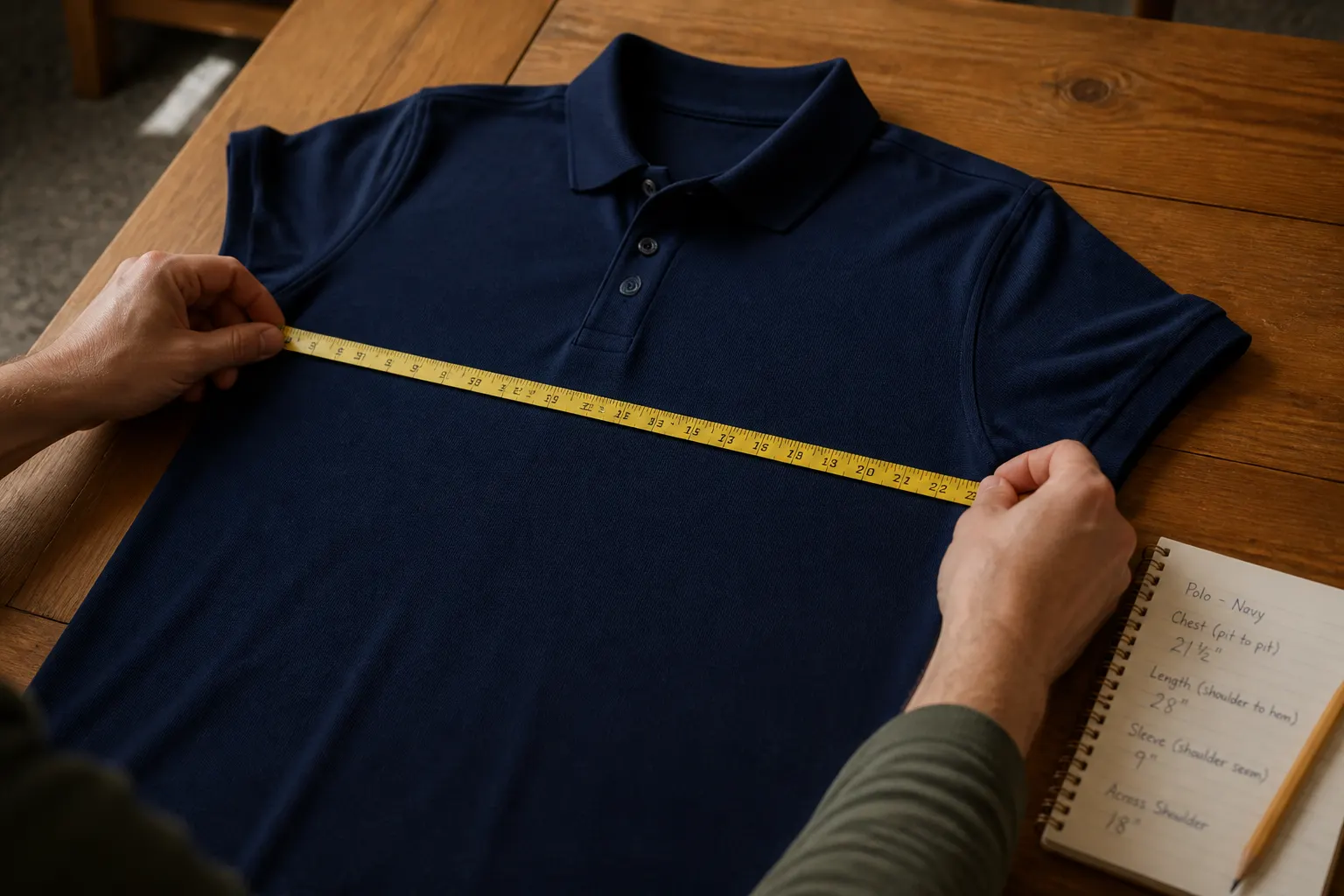
Hands measuring the chest of a navy polo with a cloth tape measure, notebook of handwritten measurements beside it.

Today's bench

Measured flat
Flaws shown
Fit explained

The checklist

How every find gets vetted

  1. Fabric first — natural fibers, real weight, no sad pilling.
  2. Construction — seams, collar roll, buttons, zippers.
  3. Condition under bright light — flaws photographed, never cropped out.
  4. Measured flat: chest, shoulders, sleeve, length.
  5. The honest question: would I wear this to work tomorrow?

If it fails any line, it goes back on the thrift rack. No exceptions, no "vintage charm".

This week's finds

Fresh off the rack

Every find is measured flat, photographed honestly, and checked live before it can be added to your bag.

The rejected pile

What gets cut, and why

Most of what I pick up never makes it here. That filtering is the whole point of buying from someone who digs. The usual reasons a piece goes back:

  • Pilled knitwear — fabric beyond saving
  • Mystery stain on a cuff — no honest fix
  • Weird hem job — tailoring can't rescue it
  • Collapsed limp collar — the polo is done
  • "Leather" that isn't leather — hard pass

On the rack

Brands worth knowing

  • Tommy Bahama